
Sections
GraphQL is a query language for APIs and a runtime for fulfilling those queries with your existing data. GraphQL provides a complete and understandable description of the data in your API, gives clients the power to ask for exactly what they need and nothing more, makes it easier to evolve APIs over time, and enables powerful developer tools.
The Big Heading
A Query Language for your APIs
Rest Refresher
Resources
Entities served by the API
Verbs
Mapping, HTTP…
PUT: Replace
GET: Retrieve a collection or entity
etc…
Hateoas
Hypermedia As The Engine Of Application State
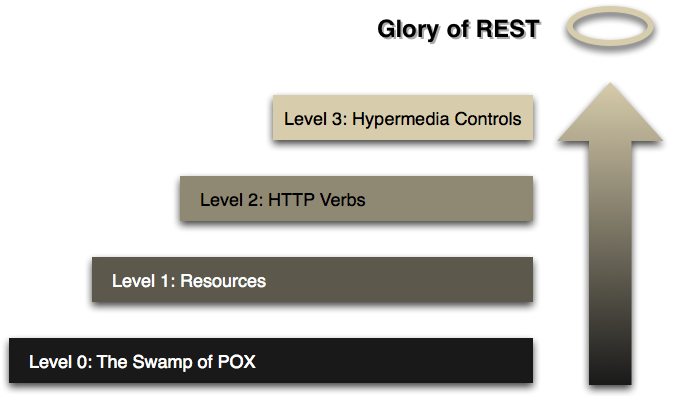
Richardson’s Maturity Model for Rest APIs
Some GraphQL Code
{
  file(relativePath: { eq: "hero.jpg" }) {
    url
  }
  users {
    id
    name
    age
    posts {
      id
      excerpt
    }
  }
}
Emoji Support


Tweet Cards
This is an example of embedding a single tweet card. Add any markdown as you normally do, and then insert a valid Tweet link anywhere to automatically transform it into an embed card.
All the great minds behind the Gatsby presentations at @BADCamp https://t.co/waarKr3uZj pic.twitter.com/iwvGWRayPb
— Gatsby (@gatsbyjs) October 26, 2018
You can embed several tweets
Gatsby is magic
— Wes Bos (@wesbos) November 30, 2018
Don’t mean to overhype it, and note it has its warts. But @gatsbyjs blog authoring experience is incredible. Hot reloading feels instant. I write posts and tweak styles or layout, and see my changes reflected in real time. This was my dream.
— Dan Abramov (@dan_abramov) December 1, 2018
Look, A mermaid
  sequenceDiagram
      participant Alice
      participant Bob
      Alice->John: Hello John, how are you?
      loop Healthcheck
          John->John: Fight against hypochondria
      end
      Note right of John: Rational thoughts <br/>prevail...
      John-->Alice: Great!
      John->Bob: How about you?
      Bob-->John: Jolly good!

